The Wild Horse Pass Expansion: Managing the I-10 Construction north of Casa Grande
Introduction
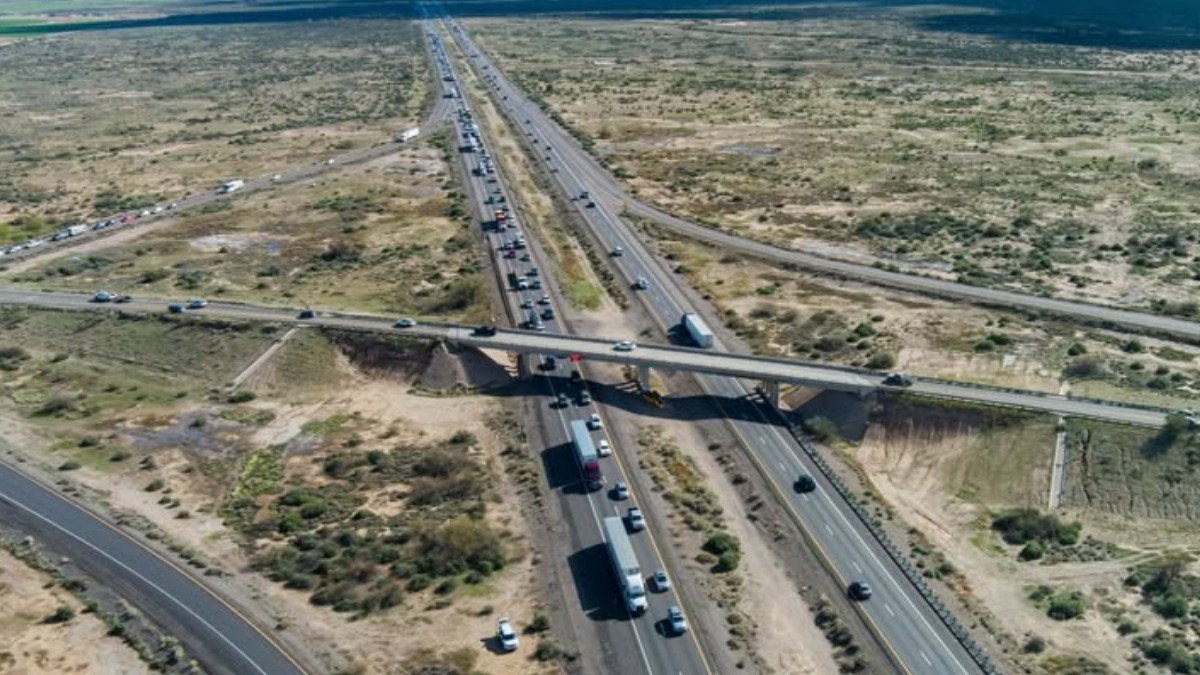
As of yesterday, January 12, the Arizona Department of Transportation has officially moved into the second segment of the Wild Horse Pass Corridor Project. This phase involves a 10-mile stretch of the I-10 in both directions, extending from Gas Line Road to just north of Casa Grande near SR 387.
For logistics providers in the Southwest, this is the most critical infrastructure project of 2026. This stretch is the final link in the I-10 expansion project, and once completed, it will provide three continuous lanes in each direction between Phoenix and Tucson. However, the next three years of construction will require a strategic approach to routing and scheduling.
What to Expect in the Work Zone
The transition into Segment 2 means that drivers should prepare for narrowed lanes and shifted shoulders. While ADOT aims to keep two lanes open in each direction during peak hours, night-time restrictions and sudden lane changes are inevitable.
At CTM, we have identified several operational realities for this zone:
- The Gila River Bridge Factor: Work continues on the new I-10 bridges over the Gila River just north of this segment. The combination of bridge work and new lane construction can create cascading delays.
- Shoulder Limitations: With active construction on both sides of the freeway, traditional breakdown areas are limited. Drivers must ensure their equipment is in peak condition before entering the corridor.
- Speed Enforcement: Expect heavy DPS presence. Compliance is not just about avoiding fines; it is about maintaining a steady flow through the narrow 10-mile corridor.
The CTM Operational Standard
We have been operating on these roads for years, and we do not leave our schedules to chance. Our approach to the Wild Horse Pass project includes:
- Real-Time Dispatching: We monitor ADOT's 511 system and internal driver reports to adjust departure times by 15 to 20 minutes as needed to clear the work zone before rush hour peaks.
- Buffer Zones: For high-priority loads, we build an infrastructure buffer into the arrival window. Reliability is our priority, and that means accounting for the orange cones.
- Driver Safety Training: Our operators are briefed weekly on specific lane shifts and interchange modifications within the 26-mile total corridor project.
Conclusion
The expansion of the I-10 is essential for the future of Arizona commerce, but navigating it today requires discipline. At CTM, we take pride in our ability to manage these infrastructure challenges while keeping your freight moving safely.
>> Follow CTM on Facebook for more Arizona infrastructure updates <<